
UGC for Art & Design: Complete Guide to User-Generated Content for Artists, Galleries, and Creative Brands
Learn how artists, galleries, and design studios use UGC to boost engagement 8x, build authentic communities, and sell more art. Discover strategies for behind-the-scenes content, gallery tours, and AI-powered creative promotion.
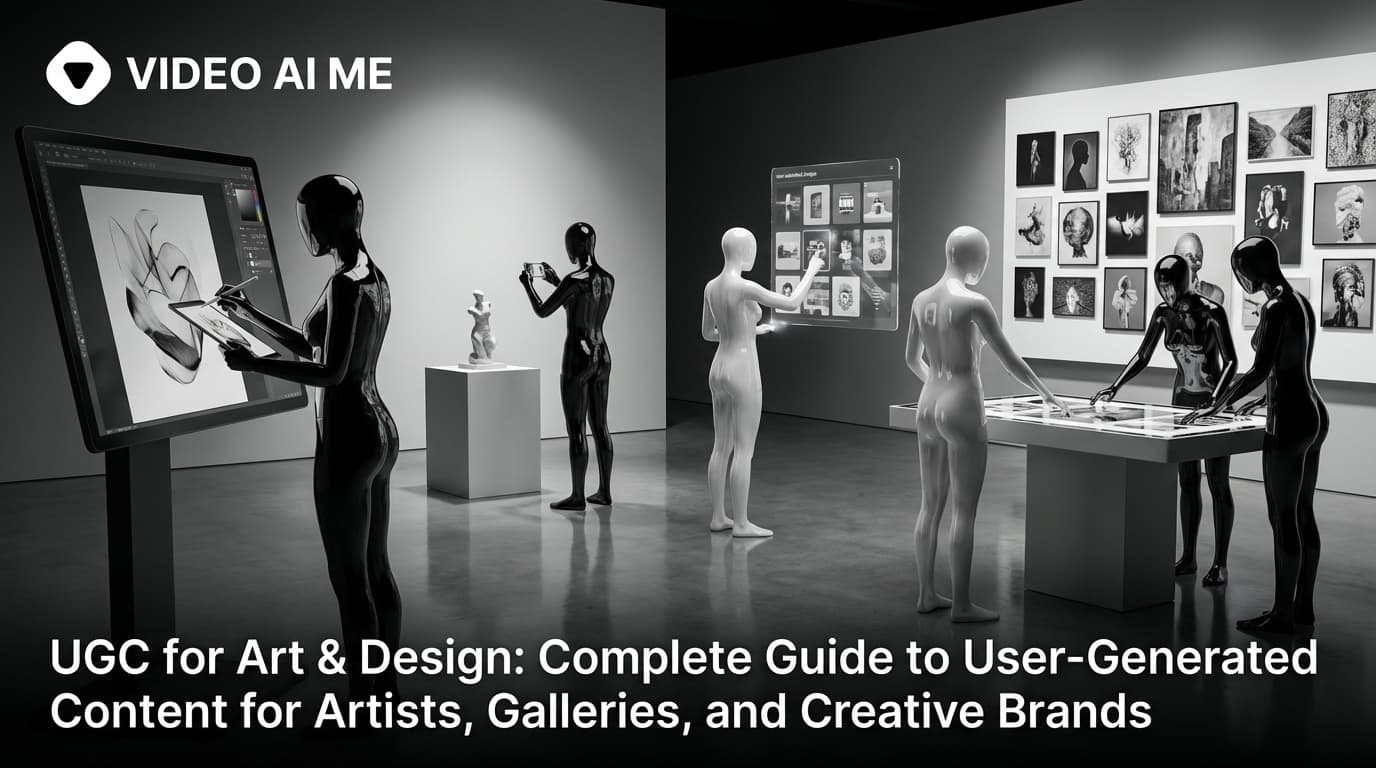
UGC for Art & Design: Why User-Generated Content Transforms Creative Marketing
The art world is experiencing a digital revolution. The global art market reached $524 billion in 2024, with online art sales commanding 18% of total transactions—significantly higher than pre-pandemic levels. But in this crowded digital landscape, traditional gallery marketing struggles to cut through.
The solution? User-generated content.
UGC has become the secret weapon for artists, galleries, and design brands looking to build authentic connections with collectors. The data is compelling: UGC is 8x more effective than influencer content in driving purchasing decisions, and 85% of consumers find user-generated content more impactful than polished brand photography.
For the creative industry—where emotional connection and authenticity drive purchases—this matters enormously. People don't just buy art; they buy stories, relationships, and the feeling of discovering something special. UGC delivers exactly that.
This comprehensive guide covers everything you need to know about leveraging UGC for art and design brands: why it outperforms traditional marketing, the content types driving the highest engagement, how to collect and create compelling UGC, and how AI-powered solutions are helping creative businesses scale their content without sacrificing authenticity.
What is UGC for Art Brands and Design Studios?
UGC (user-generated content) for art and design refers to authentic content created by artists, collectors, gallery visitors, and creative communities—rather than polished promotional material from brands themselves.
For the creative industry, UGC typically includes:
- Behind-the-scenes studio footage showing artists at work
- Creative process videos documenting artwork from concept to completion
- Collector testimonials sharing experiences with purchased pieces
- Gallery visit content capturing real visitor reactions to exhibitions
- Unboxing videos of delivered artwork and design products
- Time-lapse creation videos compressing hours of work into engaging clips
- Artist interviews featuring authentic conversations about inspiration
- Exhibition walkthroughs providing virtual gallery experiences
- User-submitted photos of artwork displayed in homes and spaces
- Art challenge participation from community members
According to Hootsuite's UGC guide, "User-generated content is any content—images, videos, text, and reviews—created by users rather than the brand itself." For art brands, this authenticity is particularly powerful because art purchases are deeply personal and emotional decisions.
The key distinction from traditional gallery marketing is believability. When potential collectors see genuine reactions from other art enthusiasts, studio visits filmed on smartphones, and honest testimonials from satisfied buyers, they trust that experience far more than curated gallery imagery.
For foundational UGC strategies, explore our ultimate guide to UGC creators.
Why UGC Works for Art & Design: Trust and Performance Data
The Trust Factor in Art Purchases
Art purchases—especially online—require enormous trust. Buyers can't physically examine pieces, feel textures, or experience work in person before committing hundreds or thousands of dollars. This trust gap makes UGC invaluable.
92% of consumers trust peer recommendations over brand advertising. When a collector shares their excitement about receiving a piece, or a gallery visitor films their genuine reaction to an exhibition, potential buyers see themselves in that experience.
As The Shelf notes, "In 2026, people trust people, not logos." For art brands, this means authentic collector experiences carry more weight than any amount of professional photography.
UGC Performance Statistics for Creative Industries
The data strongly supports UGC investment for art and design:
Engagement Impact:
- UGC achieves 6.9x higher engagement than brand-created content
- 93% of marketers report UGC outperforms traditional branded content
- 70% of Gen Z and 78% of millennials say UGC influences their purchasing decisions
- Social media posts with UGC receive 28% higher engagement than standard brand posts
Conversion Metrics:
- Visitors who interact with UGC convert 102.4% more often
- Websites featuring UGC see 90% more time on site
- UGC in emails increases click-through rates by 78%
- Product pages with UGC see 161% higher conversion rates
Cost Efficiency:
- Influencer marketing can cost $25 to $25,000 per post, while collecting customer UGC costs nearly nothing
- UGC reduces content production costs by up to 50%
- Single pieces of UGC can be repurposed across multiple channels
Why Art Collectors Respond to Authentic Content
Several psychological factors make UGC particularly effective for creative industries:
Emotional Connection: Art is deeply personal. Seeing other collectors' emotional reactions creates vicarious experiences that professional marketing cannot replicate.
Social Proof: When galleries showcase collectors proudly displaying purchased artwork in their homes, potential buyers envision similar outcomes.
Demystification: Behind-the-scenes content makes artists accessible, breaking down the intimidation barrier many feel about purchasing original art.
Discovery Feeling: UGC captures the excitement of discovering art—a feeling that polished marketing often loses.
Validation: Collector testimonials validate that art purchases are worthwhile investments, both emotionally and financially.
Types of UGC Content That Drive Art Sales
1. Behind-the-Scenes Studio Content
Studio footage humanizes artists and creates emotional investment in their work:
- Process videos showing artwork creation from start to finish
- Studio tours revealing artists' creative environments
- Works in progress building anticipation for new pieces
- Material and technique demonstrations educating audiences
- Day-in-the-life content connecting artists with audiences
According to ArtPlacer, "Your audience is interested in your art pieces, the story, the inspiration, the process, and even the people behind them. These different layers drive real engagement."
2. Time-Lapse Creation Videos
Time-lapses compress hours of work into compelling content:
- Short-form video under 30 seconds dominates 2025 platforms
- Perfect for TikTok, Instagram Reels, and YouTube Shorts
- Shows skill and dedication in an instantly shareable format
- High save and share rates extend organic reach
- Can be soundtracked with trending audio for additional reach
3. Collector Testimonials and Unboxing Videos
Nothing sells art like satisfied collectors:
- Unboxing videos capturing the excitement of receiving artwork
- Home installation footage showing pieces in real living spaces
- Video testimonials from collectors sharing their experience
- Before-and-after room transformations demonstrating art's impact
- Anniversary posts from collectors celebrating purchase milestones
88% of consumers trust recommendations from other users over brand advertising—collector testimonials leverage this trust.
4. Virtual Gallery Tours and Exhibition Content
ArtPlacer recommends capturing visitors' attention with engaging video recordings of virtual exhibitions: "Just roam around the online art show with a suggested route for the viewer, and make sure to give them a glimpse into the collection or artworks you are presenting."
- Virtual exhibition walkthroughs making galleries accessible globally
- Opening night footage capturing event excitement
- Curator-led tours providing expert context
- Visitor reaction videos showing authentic responses
- Artist talks recorded during exhibition events
5. Artist Challenge and Community Content
Campaigns that invite participation build engaged communities:
According to EmbedSocial, Adobe's Art Maker Series invited "inventive designers to share their creative artwork and highlight their skills using any of the Adobe products." The campaign generated massive UGC while showcasing product capabilities.
- Branded hashtag campaigns encouraging submissions
- Monthly art challenges with featured submissions
- Collaborative projects involving community members
- Fan art and inspired pieces celebrating artistic influence
- Design contests with gallery feature prizes
6. Educational and Tutorial Content
Content that teaches builds authority while generating engagement:
- Technique tutorials sharing artistic knowledge
- Art history connections adding context to work
- Material guides helping collectors understand art care
- Style evolution videos documenting artistic development
- Expert commentary on artistic movements and trends
7. Social Proof and Review Content
Reviews and testimonials drive confidence in purchases:
- Written reviews on gallery and artist websites
- Social media testimonials from satisfied collectors
- Media mentions and press coverage shared by followers
- Celebrity or influencer art displays generating awareness
- Collector community discussions about favorite pieces
For additional content strategies, check our guide on what is UGC content.
Collecting UGC from Your Art Community
Building Collector Participation
Encourage satisfied collectors to share their experiences:
Post-Purchase Outreach:
- Send follow-up emails requesting installation photos
- Include cards with purchase encouraging social sharing
- Create incentives for collector UGC (exclusive access, discounts)
- Provide branded hashtags for easy content discovery
Make Sharing Easy:
- Suggest specific photo angles and lighting tips
- Provide sample captions and hashtags
- Create shareable frames or templates
- Offer to reshare and credit collectors
Timing Matters:
- Request content shortly after delivery while excitement is high
- Follow up at collector "anniversaries" with pieces
- Reach out after framing/installation for best visuals
- Capture reactions during in-person pickups
Leveraging Artist Networks
For galleries, collaborating with represented artists generates content:
GalleryFuel advises that "Collaborating with your artists on social media can elevate both your gallery's brand and the artist's work. It can provide your gallery with a consistent flow of fresh messages and alleviate the pressure of constantly creating content on your own."
- Cross-promotion agreements with represented artists
- Studio visit content created collaboratively
- Opening night coverage from multiple perspectives
- Exhibition documentation shared across channels
Running UGC Campaigns
Hashtag Campaigns:
- Create memorable, brand-specific hashtags
- Promote hashtags consistently across all channels
- Feature best submissions regularly
- Reward participation with recognition or prizes
Contest and Challenge Examples:
- Photo contests featuring purchased artwork
- Art challenge campaigns encouraging community creation
- "Spot the inspiration" games connecting art to real life
- Virtual exhibition reaction campaigns
According to Constant Contact, "Create excitement by hosting contests or giveaways. Offer free tickets to an exhibition or a signed print by an artist. Engaging contests not only raise awareness but also encourage followers to share your posts, expanding your reach."
UGC Rights Management
Hootsuite emphasizes that "Consent to share content is mandatory. Always ask before republishing or using a customer's content."
- Always request explicit permission before featuring UGC
- Create clear terms for contest submissions
- Credit creators prominently when sharing
- Use platforms with built-in rights management
- Maintain records of permissions granted
Case Studies: UGC Success in Art & Design
Adobe Art Maker Series
Adobe's campaign invited designers and artists to share creative artwork demonstrating their skills with Adobe products:
- Strategy: Hashtag-driven campaign (#ArtMakerSeries, #AdobePerspective)
- Content: Fast-paced demonstration videos
- Results: Massive library of user recommendations, product/feature promotions, and expert endorsements
- Why It Worked: Showcased product capabilities through authentic creator demonstrations
LEGO #RebuildTheWorld
LEGO's 2019 campaign invited builders of all ages to share imaginative creations:
- Strategy: Global hashtag campaign encouraging creative submissions
- Content: User-submitted builds from playful designs to complex structures
- Results: 5% increase in consumer sales; massive social engagement
- Why It Worked: Emphasized that LEGO is a tool for creativity, collaboration, and enjoyment
Farrow & Ball (Design/Interior)
Farrow & Ball built a community around their paints and wallpapers:
- Strategy: UGC displays across blog posts, product pages, and site
- Community: 1.6 million engaged Instagram followers
- Content: User-submitted room transformations and design ideas
- Why It Worked: Celebrated talented community while providing inspiration for new customers
Pegasus Art Supplies
Art supplies retailer Pegasus leveraged UGC through creative contests:
- Campaign: Monthly "Artwork of the Month" competition
- Incentive: £50 vouchers for featured artists
- Requirements: Portfolio submission plus portrait
- Results: Consistent flow of high-quality UGC showcasing products in action
Apple Shot on iPhone
Apple's iconic campaign remains the gold standard for visual UGC:
- Strategy: Simple hashtag encouraging photo submissions (#ShotOniPhone)
- Results: Millions of submissions, countless billboard and campaign features
- Why It Worked: Celebrated user creativity while demonstrating product capabilities
Platform-Specific Strategies for Art UGC
Instagram: The Art Discovery Hub
Instagram remains essential for visual creative industries:
- 66% of art buyers discover artists on Instagram
- Perfect for behind-the-scenes content and studio glimpses
- Reels algorithm favors short creative process videos
- Stories ideal for real-time updates and engagement
- Shopping features enable direct art sales
Best Practices:
- Post process Reels consistently (3-5x weekly)
- Use 15-20 relevant hashtags per post
- Share collector UGC to Stories and feed
- Engage authentically with art community accounts
- Host Live sessions for studio tours and Q&As
TikTok: Viral Creative Content
TikTok has become crucial for artist discovery: "Currently, the most popular and growing platform is TikTok, which has provided real success for many artists looking to get their artwork out there."
- Algorithm rewards engagement over follower count
- Time-lapse process videos perform exceptionally well
- Creative challenges drive massive participation
- Younger collector demographics active here
- Authenticity valued over production quality
Best Practices:
- Post daily during peak hours
- Hook viewers in first 2-3 seconds
- Use trending sounds and effects
- Participate in relevant art challenges
- Share unfiltered studio moments
Pinterest: Long-Term Discovery Engine
ArtPlacer highlights: "Pinterest is actually a search engine, not a social media platform. It's the perfect platform for visual brands and artists, primed to be a huge driver of traffic."
- Evergreen content continues driving traffic for years
- High purchase intent from users actively seeking inspiration
- Ideal for room mockups showing artwork in spaces
- Boards organize content by style, color, or collection
- Direct links to purchase pages
Best Practices:
- Create keyword-optimized pin descriptions
- Use room mockup generators for lifestyle imagery
- Pin consistently (10-15 pins daily using scheduling tools)
- Build boards around collector interests and room types
- Enable rich pins for products
YouTube: In-Depth Art Content
YouTube serves collectors seeking deeper engagement:
- Studio tour documentaries build strong connections
- Process videos can run longer (10-30 minutes)
- Artist interviews provide personal context
- Tutorial content establishes expertise
- Evergreen search traffic continues indefinitely
Best Practices:
- Create series around specific themes or techniques
- Optimize titles and descriptions for art-related searches
- Include purchase links in descriptions
- Enable community posts for engagement
- Embed videos on gallery websites
Gallery Websites: Where UGC Converts
Your website is where UGC ultimately drives purchases:
- Collector testimonials on artist and artwork pages
- Photo galleries of pieces in collectors' homes
- Video testimonials building purchase confidence
- UGC-powered "inspiration" sections
- Social proof throughout purchase journey
For platform-specific tactics, explore our guides on TikTok viral videos and Instagram Reels.
Creating AI-Powered UGC for Art & Design with VIDEOAI.ME
While authentic collector and community content drives art marketing, many creative businesses face real limitations: galleries need consistent promotional content, artists may prefer staying behind the camera, and scaling video production is expensive. AI UGC solves these challenges while maintaining the authentic feel that connects with collectors.
Why Art Brands Are Turning to AI UGC
According to industry research, over 80% of creative professionals have integrated AI tools into their workflows. For marketing specifically, AI enables:
- Consistent promotional content without expensive video shoots
- Exhibition announcements with professional presentation
- Artist introductions for galleries with large rosters
- Educational content about artwork and techniques
- Multilingual promotion for international collectors
How AI UGC Works for Art Brands
VIDEOAI.ME generates professional video content using AI actors that look and sound like real people:
- Select your AI presenter from a diverse library matching your brand
- Write your script describing artwork, exhibitions, or artist stories
- Generate the video with realistic delivery and expressions
- Deploy across channels from social media to gallery websites
The result is UGC-style promotional content you can produce at scale—no camera crews, no scheduling complexity, no editing delays.
AI UGC Use Cases for Art & Design
Gallery Announcements: Create professional exhibition opening announcements, artist introductions, and event promotions without coordinating video shoots.
Artist Spotlights: Produce consistent artist introduction videos for gallery websites, even when representing dozens of artists.
Collection Showcases: Generate video content highlighting new acquisitions or featured pieces with informative narration.
Educational Content: Create art history lessons, technique explanations, and collector guides at scale.
Multilingual Promotion: Reach international collectors with content in 70+ languages—crucial for the global art market.
Event Marketing: Produce consistent promotional content for openings, fairs, and special events.
Social Content: Generate a steady stream of promotional videos for social media without constant production overhead.
For more AI video strategies, explore our AI video marketing complete guide.
AI Actors vs Human Presenters: Comparison for Art Brands
AI Actors (VIDEOAI.ME) Advantages
| Benefit | Impact for Art Brands |
|---|---|
| Speed | Create exhibition announcements within hours |
| Scale | Produce content for entire artist rosters |
| Consistency | Maintain brand voice across all content |
| Cost | 50% reduction vs traditional video production |
| Multilingual | 70+ languages for international collectors |
| Availability | Content on-demand, no scheduling needed |
Human Presenter Advantages
- Authentic collector testimonials from real buyers
- Artist personality that builds genuine connections
- Spontaneous moments capturing viral potential
- Real-time engagement during live events
- Deep trust from established relationships
- Studio authenticity showing real creative environments
The Optimal Strategy: Hybrid Approach
Successful art brands use both AI and human content strategically:
- AI UGC (60%): Promotional announcements, educational content, multilingual marketing, consistent social posting, collection showcases
- Human UGC (40%): Collector testimonials, artist interviews, behind-the-scenes footage, live events, studio tours, community content
As Impression Digital notes, "By 2026, up to 90% of online content could be AI-generated. To stand out in the sea of synthetic content, authenticity and human-driven elements will be more crucial than ever."
The hybrid approach maximizes both efficiency and authenticity—use AI for volume and consistency while preserving human content for trust-building moments.
Learn more about AI capabilities in our complete guide to AI avatars.
Best Practices for Art & Design UGC Success
1. Embrace Authentic Imperfection
According to ArtPlacer, "There are a lot of artists posting their work in the same online space, so you need to think of strategies that set you apart. The main point to keep in mind is that audiences want to see more behind-the-scenes content, rather than a bunch of finished, polished and perfect artworks."
- Smartphone footage often outperforms studio production
- Process mistakes and learning moments build connection
- Unscripted reactions feel more genuine
- Imperfect lighting can feel more authentic
2. Prioritize Quality Visual Presentation
DarkYellowDot advises: "Even when using less image-oriented platforms like Twitter, the quality of the images you use is still important. People are much more likely to engage with good quality images over blurry, pixelated photos of work."
- Invest in proper artwork photography for product pages
- Balance authenticity with visual quality
- Ensure artwork is accurately represented in UGC
- Use good lighting for process videos
3. Tell Stories, Not Just Showcase Work
The most engaging art UGC includes narrative elements:
- Share inspiration behind pieces
- Document the creative journey
- Connect artwork to broader themes
- Include personal artist stories
- Explain techniques and materials
4. Build Community, Not Just Audience
Hootsuite emphasizes: "The strongest UGC campaigns don't just spotlight individuals—they build communities. Brands that foster belonging and dialogue naturally encourage users to share and engage."
- Respond to comments and messages authentically
- Feature community members regularly
- Create spaces for collector discussion
- Celebrate collector milestones
- Host events that generate UGC naturally
5. Maintain Consistent Presence
- Post content regularly across platforms
- Balance promotional and community content
- Stay engaged even during exhibition downtime
- Plan content around exhibition and event calendars
- Repurpose UGC across multiple channels
6. Measure What Matters
Track metrics that indicate UGC effectiveness:
- Engagement rates on UGC vs branded content
- Website traffic from social platforms
- Inquiry and purchase conversion rates
- Email list growth from social followers
- UGC submission volume and quality
- Community growth and engagement depth
For more strategies, explore our UGC creator rates and pricing guide and best AI UGC video generators.
The Future of UGC in Art & Design Marketing
UGC will become even more central to creative industry marketing:
Digital Art Explosion: The digital art market is projected to reach $11.81 billion by 2030, growing at 15.28% annually. Digital-native collectors expect UGC-driven discovery experiences.
Video Dominance: Short-form video continues dominating social algorithms. Artists and galleries that invest in video UGC will outperform those relying solely on static imagery.
AI-Human Blend: The future isn't AI or human content—it's strategic combination. 58% of professionals report AI empowers more efficient content creation, while human authenticity remains essential for trust.
Global Market Access: Online art sales are projected to reach $19.25 billion by 2033. UGC—especially multilingual AI content—helps galleries reach international collectors.
Social Commerce Integration: Direct purchasing through social platforms will continue expanding, making engaging social UGC increasingly valuable for conversion.
Authenticity Premium: As AI content floods the internet, authentic human UGC will become more valuable. Impression Digital notes that "raw, human-made UGC often outperforms polished AI images, making authenticity a key currency."
Start Leveraging UGC for Your Art Brand Today
UGC isn't just a marketing tactic for artists and galleries—it's the foundation of authentic connection that drives art sales in 2026 and beyond. The data is clear: creative brands using user-generated content see dramatically higher engagement, stronger collector relationships, and more sustainable growth.
Whether you're an independent artist building your following, a gallery expanding your reach, or a design studio connecting with clients, UGC provides the trust and authenticity that traditional marketing cannot match.
The artists and galleries winning today aren't those with the biggest marketing budgets—they're the ones building genuine communities and sharing authentic creative journeys. Start incorporating UGC strategies now, and watch your collector base grow.
Ready to scale your art brand's content with AI-powered UGC?
Create your first AI video free with VIDEOAI.ME and discover how AI actors can help you produce professional exhibition announcements, artist introductions, and promotional content at scale. Generate consistent content without the complexity of traditional video production—and maintain the authentic connection that sells art.
For a deeper understanding of UGC strategies, explore our comprehensive guide on what is UGC content.
Frequently Asked Questions
Share
AI Summary

Paul Grisel
Paul Grisel is the founder of VIDEOAI.ME, dedicated to empowering creators and entrepreneurs with innovative AI-powered video solutions.
@grsl_frReady to Create Professional AI Videos?
Join thousands of entrepreneurs and creators who use VIDEO AI ME to produce stunning videos in minutes, not hours.
- Create professional videos in under 5 minutes
- No video skills experience required, No camera needed
- Hyper-realistic actors that look and sound like real people
Get your first video in minutes
Related Articles
MiniMax H3 UGC Prompt Templates for Ad Creative
Reusable UGC prompt templates with the variables marked, so you can produce a whole batch of creator style ads by swapping four fields.
Seedance 2.5 UGC Prompt Templates for Ads
Six fill in the blank UGC prompt templates for Seedance 2.5, each with a fully filled worked example, plus how to direct dialogue when the audio is generated.
How to Make AI UGC Videos With Seedance 2.5
A five step playbook for creator style UGC clips with Seedance 2.5: casting, prompts that carry the spoken hook, reference images for batches, and the credit math.